Structured Settlement Lump Sum: Pros and Cons
Welcome, dear reader! Have you ever heard about structured settlement lump sum? It’s a financial arrangement that provides a series of payments to an individual or entity over time, rather than receiving one large sum of money upfront. In this article, we will explore the pros and cons of structured settlement lump sum options, helping you understand the potential benefits and drawbacks of this financial decision.
Understanding Structured Settlements vs. Lump Sum Payments
When it comes to receiving compensation for a personal injury or other legal claim, you may have the option to choose between a structured settlement or a lump sum payment. Both options have their advantages and disadvantages, so it’s essential to understand the differences between the two before making a decision.
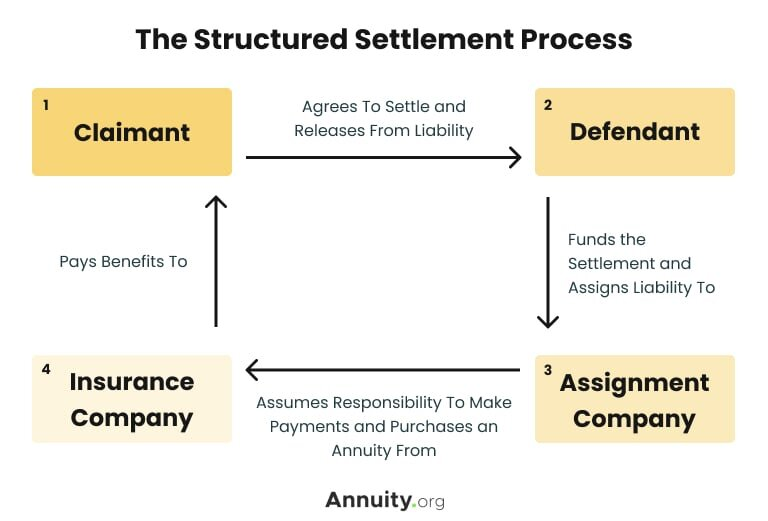
A structured settlement involves receiving periodic payments over a specified period of time. These payments can be monthly, quarterly, annually, or at other intervals as agreed upon in the settlement agreement. Structured settlements are often used in cases where the recipient may not be able to manage a large sum of money all at once, such as in cases involving minors or individuals with disabilities.
One of the primary benefits of a structured settlement is that it provides a steady stream of income over an extended period, which can help ensure financial stability for the recipient. Additionally, structured settlements are often tax-free, making them an attractive option for many individuals.
On the other hand, a lump sum payment involves receiving the entire settlement amount in one payment. While this may seem like a more appealing option for some, there are some important considerations to keep in mind. For example, receiving a lump sum payment may result in a higher tax liability, as the entire amount is considered taxable income in the year it is received.
Another factor to consider is the potential for spending the lump sum too quickly. Without a structured payment plan in place, recipients may be tempted to spend the money impulsively, leaving them without a financial safety net in the future.
It’s also worth noting that in some cases, recipients of structured settlements may have the option to sell their future payments for a lump sum. While this can provide immediate access to a larger sum of money, it typically results in a significant discount, as the purchaser of the payments will seek to make a profit on the transaction.
Ultimately, the decision between a structured settlement and a lump sum payment will depend on your individual circumstances and financial goals. It’s essential to carefully weigh the pros and cons of each option and consult with a financial advisor or attorney to determine the best course of action for your situation.
Benefits of Receiving a Lump Sum in a Structured Settlement
Structured settlements are a common way for individuals to receive compensation for personal injury or other legal claims. Instead of receiving a one-time lump sum payment, the recipient typically receives regular payments over a set period of time. However, there are situations where receiving a lump sum payment can be advantageous. Here are some benefits of receiving a lump sum in a structured settlement:
1. **Financial Flexibility:** One of the biggest benefits of receiving a lump sum in a structured settlement is the financial flexibility it provides. Instead of waiting years to receive small periodic payments, you can access a large sum of money upfront. This can be especially beneficial if you have immediate financial needs, such as medical bills or debt payments.
2. **Investment Opportunities:** With a lump sum payment, you have the opportunity to invest the money for potential growth. By investing in stocks, real estate, or other assets, you may be able to increase the value of your settlement over time. This can provide long-term financial security and potentially generate additional income.
3. **Avoiding Inflation:** Inflation can erode the value of your money over time, especially if you are receiving fixed periodic payments. By receiving a lump sum, you can potentially protect your money against inflation by investing in assets that have the potential to outpace inflation.
4. **Paying Off Debts:** If you have outstanding debts, receiving a lump sum in a structured settlement can help you pay them off in full. This can provide peace of mind and financial freedom, allowing you to start fresh without the burden of debt hanging over your head.
5. **Funding Education or Career Opportunities:** A lump sum payment can also provide the financial resources needed to further your education or pursue career opportunities. Whether you want to go back to school, start a business, or invest in training programs, having a large sum of money upfront can help you achieve your goals.
6. **Emergency Fund:** Having a lump sum of money can also serve as an emergency fund for unexpected expenses. Whether it’s a medical emergency, car repairs, or home repairs, having additional funds readily available can help you navigate through difficult times without going into debt.
Overall, receiving a lump sum in a structured settlement can offer numerous benefits, including financial flexibility, investment opportunities, protection against inflation, debt relief, funding for education or career opportunities, and an emergency fund. If you are considering receiving a lump sum payment in your structured settlement, it’s important to consult with a financial advisor or legal professional to explore your options and make informed decisions.
Risks and Considerations of Choosing a Lump Sum Payment Option
When it comes to structured settlements, recipients are typically given the option to receive their payments over time or as a lump sum. While a lump sum payment can provide instant gratification and financial freedom, there are several risks and considerations to take into account before deciding on this option.
One of the main risks of choosing a lump sum payment is the potential for overspending. Without a structured payment plan in place, recipients may be tempted to splurge on unnecessary expenses or investments that may not yield long term benefits. It is important for recipients to carefully consider their financial goals and needs before deciding on a lump sum payment to ensure that they have enough money to cover their expenses and secure their financial future.
Another risk to consider when opting for a lump sum payment is the potential loss of future income. With a structured settlement, recipients are guaranteed a steady stream of income over a specific period of time. By choosing a lump sum payment, recipients run the risk of spending their entire settlement amount too quickly, leaving them with limited or no income for the future. It is crucial for recipients to carefully calculate their expenses and budget accordingly to avoid running out of funds prematurely.
Additionally, recipients must consider the tax implications of choosing a lump sum payment. Depending on the amount of the settlement and the recipient’s tax bracket, a lump sum payment may result in a significant tax bill. Recipients should consult with a financial advisor or tax professional to understand the tax consequences of choosing a lump sum payment and to develop a plan to minimize the impact on their finances.
Furthermore, recipients should consider the impact of inflation on their lump sum payment. While a lump sum payment may seem like a large sum of money initially, the value of that money may decrease over time due to inflation. Recipients should consider investing a portion of their lump sum payment in assets that have the potential to grow over time to protect against the erosion of purchasing power.
In conclusion, while a lump sum payment may offer recipients immediate access to their settlement funds, there are several risks and considerations to take into account before making this decision. Recipients should carefully evaluate their financial goals, budget their expenses effectively, understand the tax implications, and plan for the impact of inflation to ensure that they make the most of their settlement funds and secure their financial future.
Ways to Negotiate a Better Lump Sum Offer in a Structured Settlement
Structured settlements are designed to provide steady income over time, but there are situations where a lump sum payment may be more beneficial. If you are considering negotiating for a lump sum offer in a structured settlement, here are some ways to increase your chances of getting a better deal.
1. Know the Value of Your Settlement: Before entering into negotiations, it’s important to have a clear understanding of the value of your structured settlement. This includes knowing the total amount of the settlement, the remaining payments, and any applicable interest rates. Armed with this information, you will be in a better position to negotiate for a lump sum that accurately reflects the present value of your future payments.
2. Seek Professional Advice: Negotiating a lump sum offer in a structured settlement can be complex, so it’s a good idea to seek advice from a financial advisor or structured settlement expert. These professionals can help you navigate the process, evaluate your options, and determine the best course of action for your individual circumstances.
3. Consider Your Financial Needs: Before accepting a lump sum offer, consider your immediate and long-term financial needs. Will a lump sum payment meet your current obligations and provide for your future financial security? Evaluate your financial goals and priorities to ensure that a lump sum offer aligns with your overall financial plan.
4. Present a Strong Case: When negotiating for a lump sum offer, it’s important to present a strong case to support your request. This may include demonstrating a legitimate need for the funds, such as unexpected medical expenses or urgent financial obligations. Providing documentation and supporting evidence can strengthen your position and increase the likelihood of securing a favorable lump sum offer.
In conclusion, negotiating for a lump sum offer in a structured settlement requires careful planning and strategic thinking. By knowing the value of your settlement, seeking professional advice, considering your financial needs, and presenting a strong case, you can increase your chances of securing a better lump sum offer. Be prepared to advocate for your interests and leverage the expertise of financial professionals to achieve the best possible outcome for your financial future.
Tax Implications of Receiving a Lump Sum Payment from a Structured Settlement
Receiving a lump sum payment from a structured settlement can have tax implications that individuals need to be aware of. The Internal Revenue Service (IRS) treats structured settlement payments differently from other types of income, so it’s important to understand how these payments are taxed.
Structured settlement payments are typically tax-free, meaning that recipients do not have to pay taxes on the income they receive. This is because structured settlements are often awarded as a result of a lawsuit or legal settlement, and the IRS has specific rules in place that exempt these types of payments from taxation.
However, if a recipient chooses to sell their structured settlement in exchange for a lump sum payment, the tax implications can change. The lump sum payment may be subject to taxation, depending on the circumstances of the sale. For example, if the structured settlement is sold at a discount, the recipient may be required to pay taxes on the difference between the lump sum payment and the present value of the settlement.
It’s important for individuals considering selling their structured settlement to consult with a tax professional to understand the potential tax implications of receiving a lump sum payment. A tax professional can provide guidance on how the sale of a structured settlement may impact their tax liability and help them prepare for any potential tax obligations.
Another important consideration is how the lump sum payment will be reported to the IRS. Recipients of structured settlement payments are typically issued tax-free Form 1099s, which report the income they receive. However, if a structured settlement is sold for a lump sum payment, the recipient may receive a taxable Form 1099, which reports the taxable portion of the payment.
It’s also worth noting that recipients of structured settlement payments who choose to sell their payments may be subject to additional taxes, such as capital gains taxes. The tax implications of receiving a lump sum payment from a structured settlement can vary depending on the individual’s financial situation and the terms of the sale.
In conclusion, receiving a lump sum payment from a structured settlement can have tax implications that individuals need to consider. It’s important to consult with a tax professional to understand how the sale of a structured settlement may impact their tax liability and to ensure they are prepared for any potential tax obligations.