Welcome, if you’re reading this, you’re probably wondering how to locate your structured settlement. Whether you’re looking to understand the terms of your settlement or simply want to keep track of your funds, finding this information can sometimes be a challenge. But fear not, we’re here to help guide you through the process step by step. By the end of this article, you’ll have all the tools you need to easily access and manage your structured settlement. Let’s dive in!
Understanding Structured Settlements
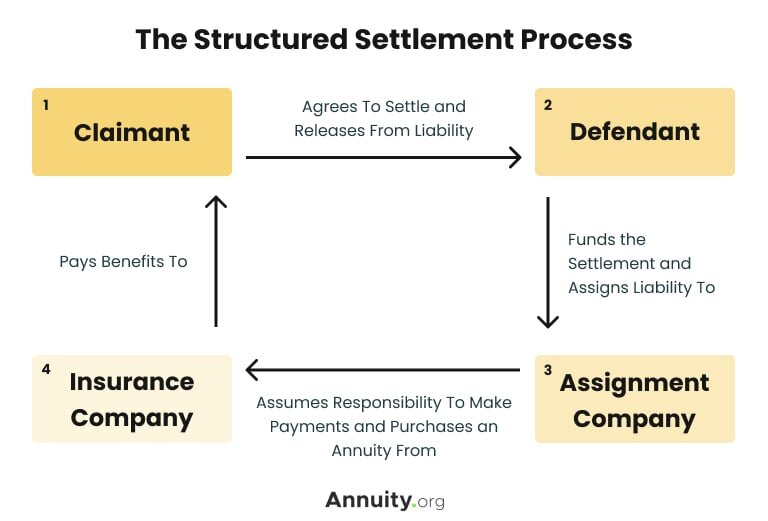
Structured settlements are financial arrangements in which the recipient receives periodic payments over a fixed period of time, rather than a lump sum payment. These settlements are often awarded in legal cases, such as personal injury lawsuits or wrongful death claims, and are designed to provide a steady stream of income to the recipient. The payments can be weekly, monthly, or yearly, depending on the terms of the settlement.
One of the key benefits of structured settlements is that they provide financial security for the recipient by ensuring a steady income stream over time. This can be especially important for individuals who are unable to work due to a disability or injury, as it allows them to meet their ongoing financial needs without having to worry about managing a large sum of money all at once.
In addition to providing financial security, structured settlements also offer tax advantages for the recipient. The payments from a structured settlement are typically tax-free, which means that the recipient does not have to pay taxes on the income they receive. This can help stretch the value of the settlement further and provide even greater financial stability for the recipient.
It’s important to note that structured settlements are not always the best option for everyone. Some recipients may prefer to receive a lump sum payment upfront in order to pay off debts or make large purchases. However, for those who value financial security and prefer a steady income stream, structured settlements can be a good choice.
If you are considering a structured settlement or have already received one, it’s important to understand the terms of the agreement. This includes knowing how much you will receive, when you will receive it, and any other conditions or limitations that may apply. It’s also a good idea to review the tax implications of the settlement and consult with a financial advisor if you have any questions or concerns.
In order to find your structured settlement, you will need to gather any documentation related to the settlement, such as the court order or agreement outlining the terms of the payments. You can also contact the insurance company or financial institution responsible for administering the settlement to get more information. By understanding the terms of your structured settlement and knowing where to find it, you can ensure that you receive the financial security and stability that it provides.
Contacting the Insurance Company
When attempting to find details about your structured settlement, the first step is to contact the insurance company that manages your annuity. The insurance company will have all the necessary information about your settlement, including the payment schedule, terms, and any other important details.
Most insurance companies have dedicated customer service teams that can assist you with any queries or concerns you may have about your structured settlement. You can usually find the contact information for the insurance company on your settlement documents or on their website.
When contacting the insurance company, be sure to have your policy number, full name, and any other relevant information on hand. This will help the customer service representative locate your file quickly and provide you with the information you need.
It’s important to be prepared with specific questions about your structured settlement when contacting the insurance company. This could include asking about the payment amount, frequency, and duration of the settlement, as well as any potential changes to the terms of the agreement.
If you are having trouble reaching the insurance company or are not satisfied with the assistance provided, you may want to consider seeking help from a financial advisor or legal professional. They can help you navigate the complexities of structured settlements and ensure that you are receiving the full benefits owed to you.
Overall, contacting the insurance company is the first step in finding and understanding your structured settlement. By being prepared and asking the right questions, you can gain a better understanding of your financial situation and ensure that you are receiving the benefits you are entitled to.
Seeking Legal Assistance
If you are having trouble locating your structured settlement, it may be time to seek legal assistance. A lawyer who specializes in structured settlements can help you navigate the complex legal processes involved in finding and accessing your funds. They can review your case and determine the best course of action to take.
When looking for a lawyer to help you with your structured settlement, it is important to find someone who has experience in handling similar cases. Look for a lawyer who has a proven track record of success in dealing with structured settlements and financial matters. You may also want to consider consulting with a few different lawyers before making a decision on who to hire.
Once you have selected a lawyer to represent you, they will begin the process of locating your structured settlement. This may involve gathering important documents and records, such as the original settlement agreement and any correspondence with the insurance company or annuity provider. Your lawyer will review these documents carefully to ensure that all necessary steps are taken to locate your funds.
Your lawyer will also communicate with the insurance company or annuity provider on your behalf. They will work to negotiate a fair and timely resolution to the issue of your missing structured settlement. Your lawyer will keep you informed throughout the process and provide you with updates on any developments in your case.
Having a lawyer on your side can make all the difference when it comes to locating your structured settlement. They have the knowledge and expertise to navigate the legal system and advocate for your rights. With their help, you can hopefully recover your funds and move forward with financial peace of mind.
Reviewing Financial Documents
When you are trying to find information about your structured settlement, one of the first places you should look is your financial documents. Start by reviewing any paperwork you received when you first set up your structured settlement. This could include your settlement agreement, annuity contract, and any other relevant documents. These papers will offer crucial information about the terms of your settlement, including the payment schedule, amount of each payment, and any fees or penalties associated with early withdrawal.
Next, take a look at your bank statements or any other financial records that show deposits from your structured settlement. This will give you a clear picture of when you are receiving payments and how much each payment is for. If you receive your payments through direct deposit, you can easily track your payments in your bank account. If you receive paper checks, make sure to keep careful records of when each check arrives and when it is cashed.
If you are having trouble locating your financial documents, you may need to contact the company that administers your structured settlement. They should be able to provide you with copies of your settlement agreement, annuity contract, and any other paperwork related to your settlement. Make sure to ask for any updates or changes that may have occurred since you first set up your structured settlement.
Once you have gathered all of your financial documents and reviewed them carefully, you should have a better understanding of your structured settlement. If you are still having trouble finding the information you need, consider reaching out to a financial advisor or legal professional for assistance. They can help you navigate the complexities of your structured settlement and ensure that you are receiving the payments you are entitled to.
Exploring Online Resources
When it comes to finding information about your structured settlement online, there are a variety of resources available to help guide you through the process. One of the first places to start is by checking the website of the company that manages your structured settlement. They typically have a portal or section on their site dedicated to providing information to clients about their settlement details and payment options. You may need to enter login credentials or contact customer service for assistance in accessing this information.
Another valuable online resource for finding your structured settlement is the National Structured Settlements Trade Association (NSSTA) website. This organization provides information and resources for both individuals with structured settlements and professionals in the structured settlement industry. Their website may have tools or directories that can help you locate your settlement information or connect you with a professional who can assist you further.
If you are looking for additional resources and information about structured settlements, you can also explore government websites such as the U.S. Department of Justice’s website or the National Association of Insurance Commissioners (NAIC) website. These sites may have helpful resources and guides on understanding structured settlements and how to find important information related to your settlement.
Social media platforms can also be a valuable resource for finding information about your structured settlement. There are various groups and communities on platforms like Facebook and Reddit that are dedicated to discussing structured settlements and providing support and guidance to individuals with settlements. You may be able to connect with others who have similar experiences and learn from their insights and advice on how to find your structured settlement.
Additionally, utilizing online search engines can help you uncover valuable information about your structured settlement. By entering keywords related to your settlement or the company managing it, you may come across articles, forums, or websites that provide information or insights into locating your settlement details. Be sure to verify the credibility of any sources you find online and cross-reference information with reputable resources to ensure accuracy.